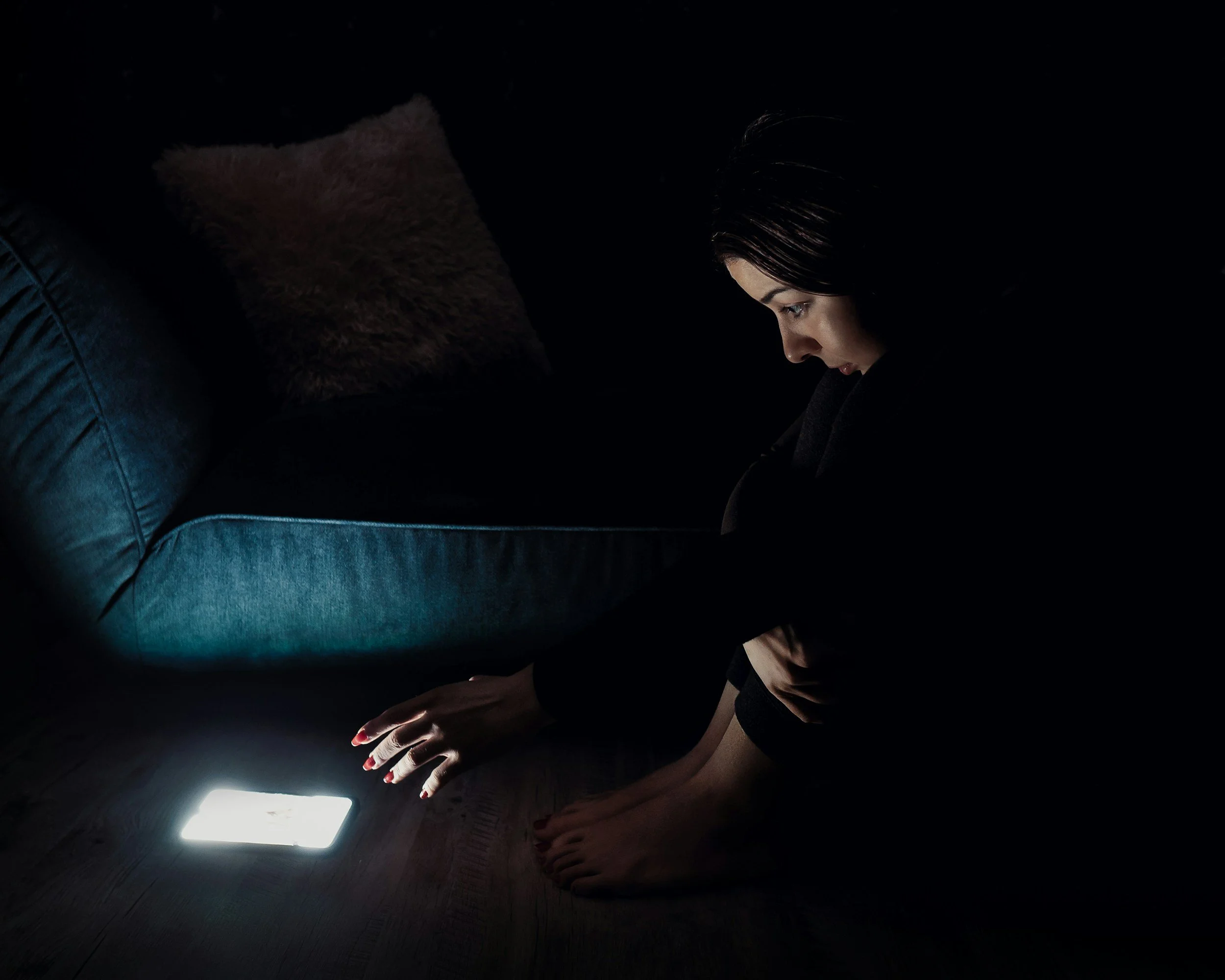
In many of the conversations I had with clients these last couple of weeks, the topic wasn’t nutrition plans or training splits — it was their behavior toward phones. It’s not new by any means, but it's an ongoing concern, and I believe individuals have finally had enough of it. Several people mentioned feeling mentally drained after spending time scrolling through social media. Others described the familiar cycle: a stressful moment triggers the urge to reach for the phone, which leads to 20 or 30 minutes of scrolling, comparison, and mental fatigue. By the time they put the phone down, life has not only slipped by, but they feel more exhausted than before they picked it up.
This isn’t an isolated experience. Across media outlets — from the New York Times to CNN and countless cultural commentators — a growing movement has emerged around what some are calling “analog living.” Many writers have even begun referring to 2026 as the year people start pushing back against the constant pull of digital life.
The idea isn’t anti-technology. It’s about reclaiming attention and being more intentional.
As artificial intelligence expands and social media algorithms become increasingly effective at capturing attention, many people are beginning to recognize how easily digital platforms can consume their time and mental energy. In response, there has been a renewed interest in slower, more tactile activities. Some people are rediscovering physical newspapers and magazines. Others are participating in “tech fasts,” intentionally stepping away from screens for periods of time. Students have started forming groups to limit phone use together, and individuals are returning to hobbies that involve making something with their hands.
Side Note: speaking of students forming groups to limit phone use together, I learned about this study regarding such in a book I’ve just started reading, called Stolen Focus: Why You Can’t Pay Attention by Johann Hari. It’s a great read or listen!
The concept of “going analog” looks different for everyone. For some, it means reducing screen time altogether. For others, it simply means being more intentional about how they consume digital media. But the common thread is the same: creating space for activities that require presence, patience, and creativity.
One of the most effective strategies people are discovering is surprisingly simple — finding something to do with your hands. Writing in a journal, sketching ideas, reading a physical book, building something, cooking, or even cutting and pasting images from magazines can interrupt the reflex to reach for the phone. These slower activities engage different parts of the brain and often leave people feeling calmer and more focused.
As a personal trainer, you might wonder why this topic matters to me. The reason is simple: attention shapes behavior, and behavior shapes health.
Many people say they don’t have time for exercise, reading, walking, or preparing a balanced meal. Yet when they check their phone’s screen-time report, they sometimes discover two or more hours each day spent on social media alone, and then feel zapped hours afterward. That time often replaces activities that support physical and mental well-being.
There’s also a growing body of research linking excessive social media use with increased stress, anxiety, sleep disruption, and decreased focus. Constant comparison with others can subtly influence how people perceive their own progress — whether that’s in fitness, career, or life. When attention is constantly fragmented, consistency becomes harder. And consistency is one of the most important ingredients for long-term health. Recently, I actually read something along the lines of: after years of searching for a secret, unknown way of achieving your goal, you realized that consistency was the answer all along. How do great athletes become great — consistency. How do bodybuilders achieve a stage-worthy presence — consistency. How do marathoners achieve faster times — consistency. How do great speakers who captivate attention do so — consistency. How do individuals seeking to lose 10, 50, or 100 pounds? Yup, you guessed it — consistency.
In a way, the renewed interest in analog living feels like a moment of cultural alignment. When I speak with older clients who grew up reading books, spending time outside, and having long conversations without phones in their hands, they often remark on how attached younger generations seem to be to their screens. Lately, many younger clients have started saying something interesting in return: “You were right.” For some younger generations, though they used to read regularly, they’ve noticed a shift: they can now read only a few pages before their attention drifts — a side-effect of phone use. All that to say, individuals are rediscovering the art and value of slowing down.
Reducing digital noise doesn’t require abandoning technology altogether. As with anything that I preach, it’s about finding balance, and to do so, it may start with simple shifts: opening social media with intention instead of habit, protecting certain parts of the day from screens, or replacing a scrolling session with a walk, a book, or a creative hobby.
Small changes in how we spend our attention can ripple outward into other areas of life.
More focus often leads to better workouts.
Better sleep improves recovery.
Less comparison supports healthier motivation.
More intentional & enhanced conversations.
Creativity is enhanced.
And so much more.
And over time, those small shifts support something much bigger: the ability to build habits that last for decades. Because ultimately, health isn’t just about what you eat or how you train. It’s also about how you spend your attention.
A Simple Way to Experiment with “Going Analog” This Week
You don’t need to abandon technology to benefit from a more analog approach to life. Often, the biggest shift comes from creating small moments in your day where your attention is fully directed toward something physical, creative, or reflective rather than reactive.
If you’re curious about trying this for yourself, here are a few simple ways to begin:
Start with intention when you open your phone. Instead of reaching for it automatically, pause and ask yourself what you’re actually opening it for. Get in, do what you intended, and then get out.
Replace one scrolling habit with a tactile activity. Reading a physical book, journaling, sketching, cooking, gardening, or even organizing something around your home engages your brain differently than passive scrolling.
Protect one part of your day from your phone. Many people find that keeping the first 30 minutes of their morning or the last 30 minutes of their evening screen-free improves focus, sleep, and overall mental clarity.
These small experiments aren’t about eliminating technology. They’re about becoming more intentional with your attention and usage — and rediscovering activities that leave you feeling energized rather than depleted. In the end, health isn’t just about what we eat or how often we exercise — it’s also about how we spend our attention. When attention becomes more focused, many other habits tend to fall into place more easily. Workouts feel more intentional. Sleep improves. Conversations become deeper. Creativity returns.
Technology isn’t the enemy in this equation. But like any powerful tool, it works best when we decide how to use it—rather than letting it quietly shape how we spend our time. And sometimes the first step toward better health isn’t adding another habit. Sometimes it’s simply reclaiming a little more of our attention so that we are more intentional toward what helps us live a life that’s more fulfulling.